1. Can I paint
a Roll-Up door?
Roll-Up doors are
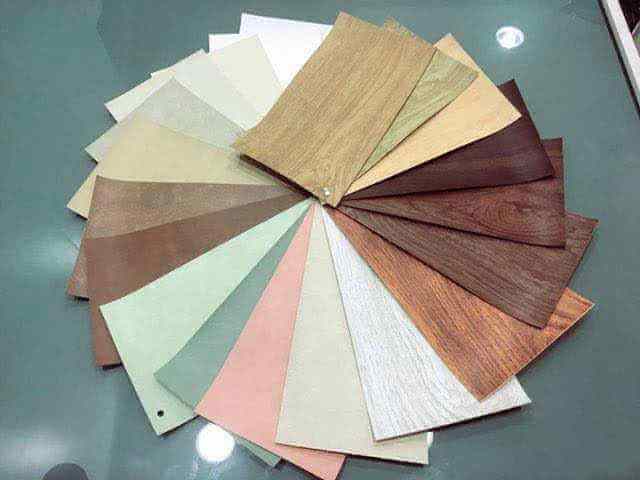
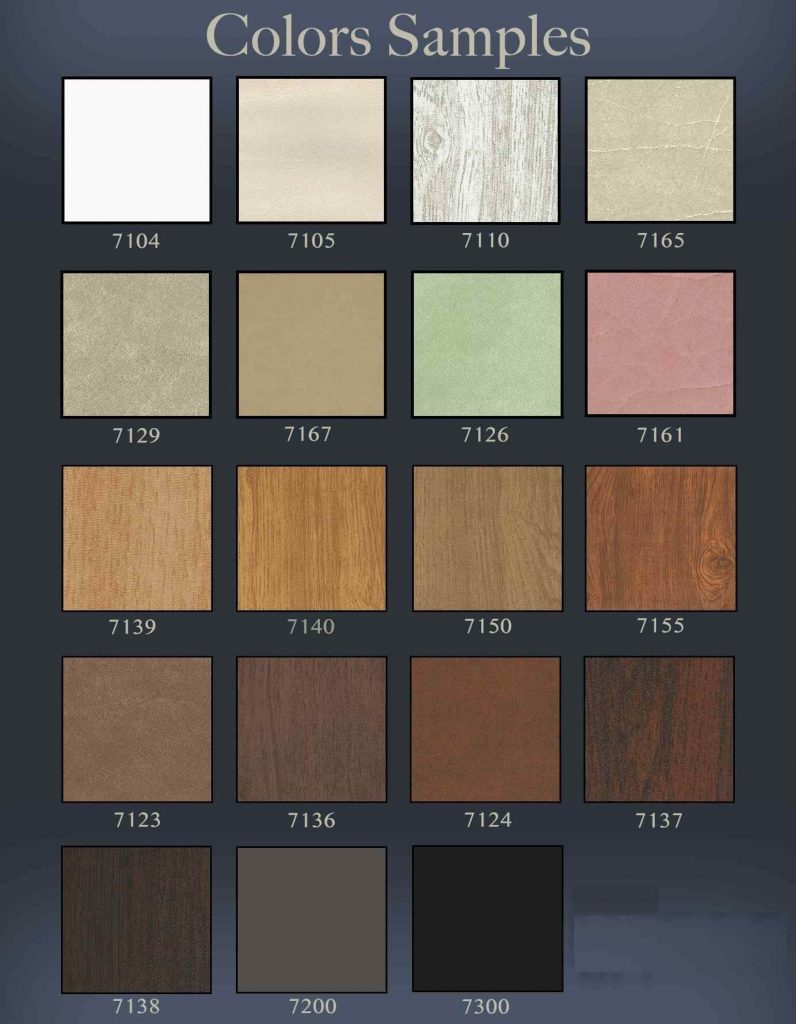
available unfinished for field application of paint or stain finishes or with
factory applied clear lacquer or custom paint or stain finishes. If unfinished
is selected extreme care must be taken to insure that the individual slats are
not stuck to one another with dried paint or stain as this will adversely effect
the operation of the door.
Our factory finishing
services are generally less expensive then field finishing. Factory finishing
also eliminates the danger of oils and grease coming in contact with the door
during the installation process. Also with our factory finish option each
component is finished prior to assembly assuring that every surface is finished.
All finishes applied by our all American crews are water based and environmentally safe.
2. Are custom
match finishes available?
Our factory finish
service includes custom paints or stains. This process requires that a sample of
the final finish selection be forwarded to us prior to production. A
matched sample is prepared here and returned for approval. Production of the
door is started after the sample match and shop drawings are approved.
3. Where can I
purchase a door?
Our doors are available
from the Clegg Company, at this web site.
4. How do I
measure the opening?
Dimensions for roll-up
door fabrication are based on the four mounting styles:
The initial dimensions are used
for quotation purposes. Subsequently a formalized shop drawing process will
verify the exact final dimensions of the roll-up door and its various
components.
5. Who will
service the door if we have problems?
Our roll-up doors are
engineered for long-term durability and minimum service. In the event of
problems, we will assist with service questions and issues.
6. Are roll-up doors guaranteed?
All roll-up doors are
guaranteed against defects resulting from defective materials or faulty
manufacturing workmanship. This warranty would not extend to problems created by
finishing in the field by the customer.
7. How easy is
it to operate a manual roll-up door?
The engineered torsion spring
system allows for comfortable and easy operation of a roll-up door. On
doors covering openings that are in excess of 60 square feet a motor or crank is
suggested.
8. What type of
latches are available?
Roll-up doors are
available with slide bolts, thumb turns, or key lock style deadbolts. Motorized
roll-up doors are not available with lock/latch systems as the operation of the
motor with the locks engaged will cause the motors to burn out.
9. What is
production lead-time for a roll-up door?
Our standard production
lead-time is two to three weeks after receipt of final shop drawing forms and
color match approval if required. Additional time in transit must be allowed for
shipping.
10. Are roll-up doors available with fire rating?
Our roll-up doors are not
available with either a fire rating or constructed of fire retardant materials.
We suggest consulting your local code officials regarding considerations in your
particular area. Typically roll-up doors do not serve as the primary egress
option and frequently the areas on either side of the roll-up door are sprinkled
which may eliminate the requirement for fire rated material
11. Are roll-up doors available with sound ratings?
Tests for sound control (STC or
FSTC) have not been performed on our roll-up doors.
12. How do
inside, between wall, and outside mounts differ?
A picture is worth a thousand
words.
|

Larger colored
images of these pictures in the .pdf files below.
|
13. Can I add
or subtract slats in the field?
Due to the method of
construction of Woodfold roll-up doors the addition or subtraction of slats in
the field is not recommended.
14. What kind
of support do I need in my opening?
Our roll-up doors are
attached to the wood guide rails supplied. Support at your vertical walls will
be required to attach the vertical guide rails. The coil and hood are supported
by attachment to the guide rails rather than to the wall.
15. How is a motorized roll-up door operated in the event of a power failure?
Motor operated roll-up doors are
provided with an emergency hand crank for use should there be a power failure.
16. What wiring
requirements are there with a motor operated roll-up door?
Motor operated roll-up
doors are supplied with a single-pull double throw paddle switch as standard.
The motor runs off standard 120 volt power and draws 1.8 amps.
17. What sizes
are roll-up doors available in?
Roll-up doors are
generally available in maximum widths to 12' and clear opening heights to 8'. In
certain cases width restrictions may apply do to the availability of hardwood
supplies. Height restrictions may apply do to how the overall size of the door
impacts proper operation.
18. Is a hood
required?
No, a hood is not required.
However, it is recommended that the coil be enclosed in the field by the
contractor if a hood is not supplied.
19. What are
typical hood sizes?
It depends on the finished
opening height of the roll-up door. Hood sizes will vary from 11"
to 14" inches in height and depth. Width is dependent upon the opening.
20. Can I
change the location of the latch or lock, front to back, in the field?
Lock and latch placement can be
changed in the field. However, this will probably leave holes or machining marks
in the bottom bar. The shop drawing process assures placement of the latch/lock
mechanism on the proper side.
21. Roll-up
doors, tambour doors, rolling shutters, coiling grills?
Roll-up doors, rolling shutters
and coiling grills are common terms used when describing an overhead coiling
door used for counter or full-height dividers. Tambour doors are typically
lighter weight and are used in residential installations including kitchen
cabinets, roll-top desks, appliance garages, entertainment centers, etc.
22. Can roll-up doors be used in exterior applications?
Our roll-up doors are
intended for interior applications within a controlled environment. An exterior
application could expose the hardwood components to extreme variations in
temperature or excess moisture causing warping or movement of the panels.
23. Are metal
guide rails available?
All guide rails are made of the
same wood as the curtain to achieve a unified appearance. The wood rails exceed
any minimum strength requirements for this application.
24. What is a
pack out?
On inside and between wall
mounts where a motor or crank is used there is a need to create a space between
the end plate and the mounting jamb or wall for the gearbox. The spacer is
called a Pack Out. This is best illustrated by looking at any of the following
pictures:
25. What is a
fascia?
On inside mounts and between
wall mounts without lintel mounts the opposite coil side is exposed and can be
covered by a fascia. On an outside mount the opposite coil side is covered by
the wall.
26. Are thumb
turns and key locks surface or internal mounted?
In both cases the mechanism is
surface mounted while the dead bolt portion is internally mounted in the bottom
bar. On the other hand, slide bolts are surface mounted only.
27. What
species of woods are available?
Maple, birch, cherry, mahogany
and oak are the standard wood offered. On special request many other hardwood
species can be manufactured. Softwoods are not available.
28. How do I
get a quote on a Roll-Up door?
Fill out Roll
Up Door Worksheet and call or fax Clegg Co
518-864-5396 and 518-864-5474 fax